Showing posts with label CAT_explanation. Show all posts

Saturday, May 20, 2023

Meso-foundational explanations


One of the catechismal ideas of analytical sociology is the microfoundations model of explanation: to explain a social fact we should provide an account of the microfoundations that produce it. That means identifying the facts about individual motivations and beliefs that lead them to behave in such a way as to bring about the social fact in question. Here I want to ask a deliberately provocative question: is it ever legitimate to look for a meso-foundational explanation?

There is an almost trivial answer to this question that is already implied by Coleman’s famous boat diagram (link): when we want to understand how actors came to have the motivations and beliefs that we have observed.


The local prevalence of Catholic values and practices is the causal factor that explains the distinctive mentality of French Catholic young people in Burgundy in the 1930s. Here we are proposing to give a meso- or macro-level account of a micro set of facts. As another example, we might account for the low percentage of stocks in the retirement plans of men in their 50s in 1970 by the mistrust of the stock market created in people who reached adulthood in the Great Depression. This too is a meso- to micro- explanation.

Are there other kinds of meso-foundational explanations? Can we provide satisfactory meso-level explanations of meso- or macro-level facts? Consider this possibility. Suppose we find that S&L institutions are less likely to become insolvent than large commercial banks. And suppose we find that the regulatory regimes governing S&Ls are more strict than those for commercial banks. The mechanism leading to a lower likelihood of insolvency is conveyed from "strict regulations" to "low likelihood of insolvency". (We can provide further underlying mechanisms, of the traditional microfoundational variety: officers of S&Ls understand the requirements of the regulatory regime; they prudently miminize the risk of civil or criminal penalties; and their institutions have a lower likelihood of insolvency.) This is a meso-level causal explanation of a meso-level fact, representing a causal relationship between one meso-level factor and another meso-level factor.

What about meso-foundational explanations of macro-level features? And symmetrically, what about macro-foundational explanations of meso- and micro-level features? Each of these pathways is possible. Consider a macro-level feature like “American males have an unusually strong identification with guns”. And suppose we offer a meso-level explanation of this widespread cultural value: “The shaping institutions of masculine cultural identity in a certain time and place (mass media, high school social life, popular fiction) inculcate and proliferate this feature of masculine identity.” This is a meso-level explanation of a macro-level feature. Moreover, we can also turn the explanatory lens around and explain the workings of the meso-level factors based on the pervasive macro-level factor: the prevailing male obsession with guns reinforces and reproduces the meso-level influences identified here.

The conclusion to be drawn from these observations is a bit disorienting. The examples imply that there is no “up” and “down” when it comes to explanatory primacy. Rather, social factors at each level can play an explanatory role in accounting for the features of facts at every level. Explanation does not necessarily proceed from “lower level” to higher level entities. "Descending", "ascending", and "lateral" causal explanations all have their place, and ascending (microfoundational) explanations have no special priority. Rather, the requirement that should be emphasized is that the adequacy of any explanation of a social fact depends on whether we have discovered the causal mechanisms that give rise to it. And causal mechanisms can operate at all levels of the social world.

The diagram at the top of the post, originally prepared to illustrate the idea of a "flat" social ontology, does a good job of illustrating the multi-directionality of social-causal mechanisms as well.


Friday, May 28, 2021

Five easy pieces (for the social sciences)


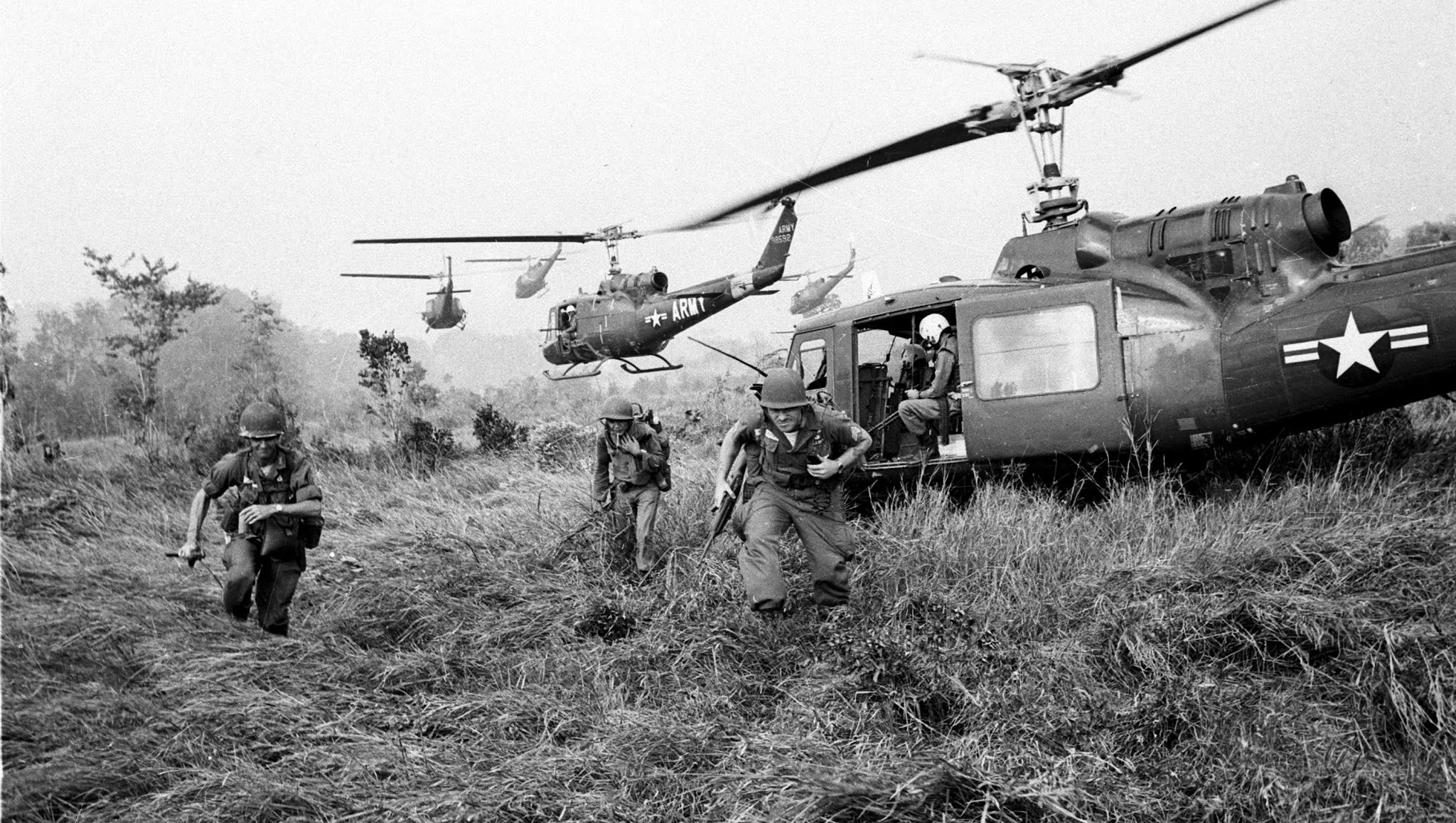
Social scientists are generally interested in "explaining" social outcomes: why did such-and-so take place as it did? Why did the Indochina War occur, and why did it end in the defeat of two modern military powers? Why did the French fail so miserably at Dien Bien Phu? Why was the Tet Offensive so consequential for US military plans in Vietnam? Here are some fundamental questions surrounding the search for social explanations:

  1. What is involved in "explaining" a social event or circumstance?
  2. In what sense is there a kind of "order" in the social world?
  3. Can we reconcile the idea that some social events are "explained" and others are "stochastic"?
  4. Are there general and recurring causes at work in the social world?
  5. Is there any form of "unity" possible in the social sciences?

It is tempting to hold that many social events are more akin to the white noise of wind in the leaves than planets moving around the sun. That is, we might maintain that many social events are stochastic; they are the result of local contingencies and conjunctions, with little or no underlying order or necessity. This is not to say that the stochastic event is uncaused; rather, it is to say that the causes that led to this particular outcome represent a very different mix of conditions and events from the background of other similar events, so there is no common and general explanation of the event. 

Why should we think that social events often have this high degree of underlying stochasticity or contingency? One reason is the general ontological fact that social events are the result of the actions, decisions, interactions, and mental frameworks of specific individual actors, from anonymous consumers to business entrepreneurs to "social media influencers" to political leaders. The actors all have their own motivations and circumstances, so the strategies and actions that they choose are likely enough to be highly particular. And yet those strategies and actions eventually aggregate to social outcomes that we would like to understand: for example, why one midwestern town in the 1930s became a thriving manufacturing center, while another became a sleepy county seat with two traffic lights and a diner. William Cronon's marvelous account in Nature's Metropolis: Chicago and the Great West of the rise of Chicago as the major metropolis in the middle of the country illustrates the deep level of contingency associated with this history (link).

Beyond the contingencies created by the fact of varying individual motivations and strategies, there is the fact that social outcomes are generally "conjunctural": they are the result of multiple causal influences, and would have developed differently if any of those influences had been significantly different. The dramatic growth of intercontinental trade in the 1960s and later decades depended on several independent factors -- liberalization of trading regimes in many countries and regions, technology change in shipping (containerization), manufacturing companies that were legally able to "off-shore" production of consumer goods, and the like. Each of these factors has its own history, and substantial change in any one of them would presumably have had great consequences for the volume of trade during those decades.

Instead of imagining that all social outcomes should be amenable to simple, general explanations, we should instead take a pluralistic view of the structural and social circumstances that sometimes propel individual actors to one kind of outcome rather than another. It was not inevitable that Chicago would become "nature's metropolis" in the midwest; but the fact that it had easy access to the Great Lakes for cheap transportation, and to the farmlands of the midwest for ample sources of grain and meat made Chicago a more likely place for opportunistic actors to establish the makings of a great city than Springfield, Illinois. Likewise, once the routes of the great east-west railways were established (reflecting their own forms of contingency and struggle among actors), Chicago emerged as a more promising location for business and trade than Oshkosh, Wisconsin.


I referred to this kind of explanation as an "institutional logic" explanation in The Scientific Marx (link). And this kind of explanation has much in common with the explanatory framework associated with the "new institutionalism" (link).

So let's return to the questions posed above:

1. What is involved in "explaining" a social event or circumstance?

We explain a social event when we show how it arose as a result of the actions and interactions of multiple social actors, engaged within a specified social, economic, political, and natural environment, to accomplish their varied and heterogeneous purposes. Sometimes the thrust of the explanation derives from discovering the surprising motives the actors had; sometimes it derives from uncovering the logic of unintended consequences that developed through their interactions; and sometimes it derives from uncovering the features of the institutional and natural environment that shaped the choices the actors made.

2. In what sense is there a kind of "order" in the social world?

There is one underlying foundation (unity) of all social outcomes -- the fact of the composition of outcomes from the actions and mental frameworks of multiple social actors. However, given the heterogeneity of actors, the heterogeneity of the institutions and natural environments in which they act, and the pragmatic question of whether it is the institutional background or the actors' characteristics that are of the greatest explanatory interest, there is no basis for expecting a single unified substance and form for social explanations.

3. Can we reconcile the idea that some social events are "explained" and others are "stochastic"?

One way of making this distinction is to highlight the generality or particularity of the set of conditions that were thought to bring about the event. If O was the result of A,B,C,D,E and each of A-E was contingent and unrelated to the occurrence of the other conditions, then it would be natural to say that O was stochastic. If O was the result of A-E and A,B,C were longstanding conditions while D and E were conditions known to recur periodically, then it would be natural to say that O was explained by the joint occurrence of D and E in the presence of A,B,C. To explain an event is to claim that there is some underlying "necessity" leading to its occurrence, not just a chance conjunction of independent events.

4. Are there general and recurring causes at work in the social world?

There are recurring causes in the social world -- institutional and natural circumstances that shape actors' choices in similar ways in multiple settings. Examples include technological opportunities, economic geography, available methods of warfare, available systems of taxation and governance, and the range of institutional variations that are found in every society. It is the work of historical and social research to discover these kinds of factors, and the discovery of a common causal factor is simultaneously the discovery of a causal mechanism.

5. Is there any form of "unity" possible in the social sciences?

The social sciences cannot be unified around a single theory -- microeconomics, rational choice theory, hermeneutics, Marxism. Instead, social scientists need to approach their work with a diverse toolbox of theories and mechanisms on the basis of which to construct hypotheses about the explanation of diverse social phenomena; they should expect heterogeneity rather than underlying unity and homogeneity. Theoretical pluralism is necessary for a correct understanding of the workings of the social world.

(This is a topic that I've returned to a number of times over the past fifteen years. Here is an argument for why we should not expect to find a unified theory of society (link) from 2008, and here are discussions of "what can be explained in the social world" from 2008 (link) and 2016 (link). In 2014 I discussed the idea of "entropic social processes" (link).)

Wednesday, June 17, 2020

ABM models for the COVID-19 pandemic


In an earlier post I mentioned that agent-based models provide a substantially different way of approaching the problem of pandemic modeling. ABM models are generative simulations of processes that work incrementally through the behavior of discrete agents; so modeling an epidemic using this approach is a natural application.

In an important recent research effort Gianluca Manzo and Arnout van de Rijt have undertaken to provide an empirically calibrated ABM model of the pandemic in France that pays attention to the properties of the social networks that are found in France. They note that traditional approaches to the modeling of epidemic diseases often work on the basis of average population statistics. (The draft paper is posted on ArXiv; link; they have updated the manuscript since posting). They note, however, that diseases travel through social networks, and individuals within a society differ substantially in terms of the number of contacts they have in a typical day or week. This implies intuitively that the transmission of a disease through a population should be expected to be influenced by the social networks found within that population and the variations that exist across individuals in terms of the number of social contacts that they have in a given time period. Manzo and van de Rijt believe that this feature of disease-spread through a community is crucial to consider when attempting to model the progression of the disease. But more importantly, they believe that consideration of contact variation across a population suggests public health strategies that might be successful in reducing the spread of a disease at lower social and public cost.

Manzo offers a general framework for this approach in "Complex Social Networks are Missing in the Dominant COVID-19 Epidemic Models," published last month in Sociologica (link). Here is the abstract for this article:
In the COVID-19 crisis, compartmental models have been largely used to predict the macroscopic dynamics of infections and deaths and to assess different non-pharmaceutical interventions aimed to contain the microscopic dynamics of person-to-person contagions. Evidence shows that the predictions of these models are affected by high levels of uncertainty. However, the link between predictions and interventions is rarely questioned and a critical scrutiny of the dependency of interventions on model assumptions is missing in public debate. In this article, I have examined the building blocks of compartmental epidemic models so influential in the current crisis. A close look suggests that these models can only lead to one type of intervention, i.e., interventions that indifferently concern large subsets of the population or even the overall population. This is because they look at virus diffusion without modelling the topology of social interactions. Therefore, they cannot assess any targeted interventions that could surgically isolate specific individuals and/or cutting particular person-to-person transmission paths. If complex social networks are seriously considered, more sophisticated interventions can be explored that apply to specific categories or sets of individuals with expected collective benefits. In the last section of the article, I sketch a research agenda to promote a new generation of network-driven epidemic models. (31)
Manzo's central concern about what he calls compartmental models (SIR models) is that "the variants of SIR models used in the current crisis context address virus diffusion without modelling the topology of social interactions realistically" (33).

 Manzo offers an interesting illustration of why a generic SIR model has trouble reproducing the dynamics of an epidemic of infectious disease by comparing this situation to the problem of traffic congestion:
It is as if we pretended realistically to model car flows at a country level, and potentially associated traffic jams, without also modelling the networks of streets, routes, and freeways. Could this type of models go beyond recommendations advising everyone not to use the car or allowing only specific fractions of the population to take the route at specific times and days? I suspect they could not. One may also anticipate that many drivers would be highly dissatisfied with such generic and undifferentiated instructions. SIR models currently in use put each of us in a similar situation. The lack of route infrastructure within my fictive traffic model corresponds to the absence of the structure of social interactions with dominant SIR models. (42)
The key innovation in the models constructed by Manzo and van de Rijt is the use of detailed data on contact patterns in France. They make highly pertinent use of a study of close-range contacts that was done in France in 2012 and published in 2015 (Béraud et al link). This study allows for estimation of the frequency of contacts possessed by French adults and children and the extensive variation that exists across individuals. Here is a graph illustrating the dispersion that exists in number of contacts for individuals in the study:

This graph demonstrates the very wide variance that exists among individuals when it comes to "number of contacts"; and this variation in turn is highly relevant to the spread of an infectious disease.

Manzo and van de Rijt make use of the data provided in this COMES-F study to empirically calibrate their agent-based model of the diffusion of the disease, and to estimate the effects of several different strategies designed to slow down the spread of the disease following relaxation of extreme social distancing measures.

The most important takeaway from this article is the strategy that it suggests for managing the reopening of social interaction after the peak of the epidemic. Key to transmission is frequency of close contact, and these models show that a small number of individuals have disproportionate effect on the spread of an infectious disease because of the high number of contacts they have. Manzo and van de Rijt ask the hypothetical question: are there strategies for management of an epidemic that could be designed by selecting a relatively small number of individuals for immunization? (Immunization might take the form of an effective but scarce vaccine, or it might take the form of testing, isolation, and intensive contact tracing.) But how would it be possible to identify the "high contact" individuals? M&R consider two strategies and then represent these strategies within their base model of the epidemic. Both strategies show dramatic improvement in the number of infected individuals over time. The baseline strategy "NO-TARGET" is one in which a certain number of individuals are chosen at random for immunization, and then the process of infection plays out. The "CONTACT-TARGET" strategy is designed to select the same number of individuals for immunization, but using a process that makes it more likely that the selected individuals will have higher-than-average contacts. The way this is done is to select a random group of individuals from the population and then ask those individuals to nominate one of their contacts for immunization. It is demonstrable that this procedure will arrive at a group of individuals for immunization who have higher-than-average numbers of contacts. The third strategy, HUB-TARGET, involves selecting the same number of individuals for treatment from occupations that have high levels of contacts.

The simulation is run multiple times for each of the three treatment strategies, using four different "budgets" that determine the number of individuals to be treated on each scenario. The results are presented here, and they are dramatic. Both contact-sensitive strategies of treatment result in substantial reduction in the total number of individuals infect over the course of 50, 100, and 150 days. And this  in turn translates into substantial reduction of the number of ICU beds required on each strategy.


Here is how Manzo and van de Rijt summarize their findings:
As countries exit the Covid-19 lockdown many have limited capacity to prevent flare-ups of the coronavirus. With medical, technological, and financial resources to prevent infection of only a fraction of its population, which individuals should countries target for testing and tracking? Together, our results suggest that targeting individuals characterized by high frequencies of short-range contacts dramatically improves the effectiveness of interventions. An additional known advantage of targeting hubs with medical testing specifically is that they serve as an early-warning device that can detect impending or unfolding outbreaks (Christakis & Fowler 2010; Kitsak et al. 2010).
This conclusion is reached by moving away from the standard compartmental models that rely on random mixing assumptions toward a network-based modeling framework that can accommodate person-to-person differences in infection risks stemming from differential connectedness. The framework allows us to model rather than average out the high variability of close-contact frequencies across individuals observed in contact survey data. Simulation results show that consideration of realistic close-contact distributions with high skew strongly impacts the expected impact of targeted versus general interventions, in favor of the former.
If these simulation results are indeed descriptive of the corresponding dynamics of spread of this disease through a population of socially connected people, then the research seems to provide an important hint about how public health authorities can effectively manage disease spread in a post-COVID without recourse to the complete shut-down of economic and social life that was necessary in the first half of 2020 in many parts of the world.

*.    *.    *


Here is a very interesting set of simulations by Grant Sanderson of the spread of infectious disease on YouTube (link). The video is presented with truly fantastic graphics allowing sophisticated visualization of the dynamics of the disease under different population assumptions. Sanderson doesn't explain the nature of the simulation, but it appears to be an agent-based model with parameters representing probability of infection through proximity. It is very interesting to look at this simulation through the eyes of the Manzo-van de Rijt critique: this model ignores exactly the factor that Manzo and van de Rijt take to be crucial -- differences across agents in number of contacts and the networks and hubs through which agents interact. This is reflected in the fact that every agent is moving randomly across space and every agent has the same average probability of passing on infection to those he/she encounters.

Monday, May 11, 2020

Thinking about pandemic models


One thing that is clear from the pandemic crisis that is shaking the world is the crucial need we have for models that allow us to estimate the future behavior of the epidemic. The dynamics of the spread of an epidemic are simply not amenable to intuitive estimation. So it is critical to have computational models that permit us to project the near- and middle-term behavior of the disease, based on available data and assumptions.

Scott Page is a complexity scientist at the University of Michigan who has written extensively on the uses and interpretation of computational models in the social sciences. His book, The Model Thinker: What You Need to Know to Make Data Work for You, does a superlative job of introducing the reader to a wide range of models. One of his key recommendations is that we should consider many models when we are trying to understand a particular kind of phenomenon. (Here is an earlier discussion of the book; link.) Page contributed a very useful article to the Washington Post this week that sheds light on the several kinds of pandemic models that are currently being used to understand and predict the course of the pandemic at global, national, and regional levels ("Which pandemic model should you trust?"; (link). Page describes the logic of "curve-fitting" models like the Institute for Health Metrics and Evaluation (IHME) model as well as epidemiological models that proceed on the basis of assumptions about the causal and social processes through which disease spreads. The latter attempt to represent the process of infection from infected person to susceptible person to recovered person. (Page refers to these as "microfoundational" models.) Page points out that all models involve a range of probable error and missing data, and it is crucial to make use of a range of different models in order to lay a foundation for sound public health policies. Here are his summary thoughts:
All this doesn’t mean that we should stop using models, but that we should use many of them. We can continue to improve curve-fitting and microfoundation models and combine them into hybrids, which will improve not just predictions, but also our understanding of how the virus spreads, hopefully informing policy. 
Even better, we should bring different kinds of models together into an “ensemble.” Different models have different strengths. Curve-fitting models reveal patterns; “parameter estimation” models reveal aggregate changes in key indicators such as the average number of people infected by a contagious individual; mathematical models uncover processes; and agent-based models can capture differences in peoples’ networks and behaviors that affect the spread of diseases. Policies should not be based on any single model — even the one that’s been most accurate to date. As I argue in my recent book, they should instead be guided by many-model thinking — a deep engagement with a variety of models to capture the different aspects of a complex reality. (link)
Page's description of the workings of these models is very helpful for anyone who wants to have a better understanding of the way a pandemic evolves. Page has also developed a valuable series of videos that go into greater detail about the computational architecture of these various types of models (link). These videos are very clear and eminently worth viewing if you want to understand epidemiological modeling better.

Social network analysis is crucial to addressing the challenge of how to restart businesses and other social organizations. Page has created "A Leader's Toolkit For Reopening: Twenty Strategies to Reopen and Reimagine", a valuable set of network tools and strategies offering concrete advice about steps to take in restarting businesses safely and productively. Visit this site to see how tools of network analysis can help make us safer and healthier in the workplace (link). 

Another useful recent resource on the logic of pandemic models is Jonathan Fuller's recent article "Models vs. evidence" in Boston Review (link). Fuller is a philosopher of science who undertakes two tasks in this piece: first, how can we use evidence to evaluate alternative models? And second, what accounts for the disagreements that exist in the academic literature over the validity of several classes of models? Fuller has in mind essentially the same distinction as Page does, between curve-fitting and microfoundational models. Fuller characterizes the former as "clinical epidemiological models" and the latter as "infectious disease epidemiological models", and he argues that the two research communities have very different ideas about what constitutes appropriate use of empirical evidence in evaluating a model. Essentially Fuller believes that the two approaches embody two different philosophies of science with regard to computational models of epidemics, one more strictly empirical and the other more amenable to a combination of theory and evidence in developing and evaluating the model. The article provides a level of detail that would make it ideal for a case study in a course on the philosophy of social science.

Joshua Epstein, author of Generative Social Science: Studies in Agent-Based Computational Modeling, gave a brief description in 2009 of the application of agent-based models to pandemics in "Modelling to Contain Pandemics" (link). Epstein describes a massive ABM model of a global pandemic, the Global-Scale Agent Model (GSAM), that attempted to model the spread of the H1N1 virus in 1996. Here is a video in which Miles Parker explains and demonstrates the model (link). 

Another useful resource is this video on "Network Theory: Network Diffusion & Contagion" (link), which provides greater detail about how the structure of social networks influences the spread of an infectious disease (or ideas, attitudes, or rumors).

My own predilections in the philosophy of science lean towards scientific realism and the importance of identifying underlying causal mechanisms. This leaves me more persuaded by the microfoundational / infectious disease models than the curve-fitting models. The criticisms that Nancy Cartwright and Jeremy Hardie offer in Evidence-Based Policy: A Practical Guide to Doing It Better of the uncritical methodology of randomized controlled trials (link) seem relevant here as well. The IHME model is calibrated against data from Wuhan and more recently northern Italy; but circumstances were very different in each of those locales, making it questionable that the same inflection points will show up in New York or California. As Cartwright and Hardie put the point, "The fact that causal principles can differ from locale to locale means that you cannot read off that a policy will work here from even very solid evidence that it worked somewhere else" (23). But, as Page emphasizes, it is valuable to have multiple models working from different assumptions when we are attempting to understand a phenomenon as complex as epidemic spread. Fuller makes much the same point in his article:
Just as we should embrace both models and evidence, we should welcome both of epidemiology’s competing philosophies. This may sound like a boring conclusion, but in the coronavirus pandemic there is no glory, and there are no winners. Cooperation in society should be matched by cooperation across disciplinary divides. The normal process of scientific scrutiny and peer review has given way to a fast track from research offices to media headlines and policy panels. Yet the need for criticism from diverse minds remains.

Saturday, January 19, 2019

The place for thick theories of the actor in philosophy

image: Bruegel, The Dutch Proverbs (1559)

When philosophers of the social sciences take seriously the importance of individual action within the social realm, we often look in the direction of methodological individualism and the methods of "aggregation dynamics". That is, agent-centered theorists are usually interested in finding ways of climbing the upward strut of Coleman's boat through efforts at modeling the interactive dynamics of purposive individuals and the social outcomes they produce. This leads to an interest in applying microeconomics, game theory, or agent-based modeling as ways of discovering the aggregate consequences of a certain theory of the actor (purposive, calculating, strategic rationality). We then get a ready basis for accounting for causal relations in the social world; the medium of causal powers and effects is the collection of purposive actors who live in social relationships and institutions with a fairly homogeneous form of agency.

This is a perfectly valid way of thinking about social causation and explanation. But the thrust of the argument for thick descriptions of actors, coming from microsociologists, ethnomethodologists, and historical sociologists, is that the abstractions associated with thin theories of the actor (goal-directed behavior driven by rational-self-interest) are often inadequate for understanding real social settings. If we attach weight to sociologists like Goffman and Garfinkel, some of the most interesting stuff is happening along the bottom edge of Coleman's boat -- the interactions among socially situated individuals. So how should we think about the challenge of incorporating a richer theory of the actor into the project of supporting an adequate set of ideas about social inquiry and social explanation?

One approach is to simply acknowledge the scientific relevance and importance of research into the mentality of real social actors. This approach accepts the point that we cannot always make use of the very sparse assumptions of thin theories of the actor if we want to understand social phenomena like the politics of hate, the rise of liberal democracy, or the outbreak of ethnic violence. We can then attempt to address the theoretical and methodological problems associated with research into more nuanced understanding of historically and socially situated persons in specific circumstances involving the phenomena of interest. We can give attention to fields like cultural sociology and ethnography and attempt to offer support for those research efforts. This approach also permits the possibility of attempting to formulate a conception of social explanation that fits thick theories of the actor.

This approach seems to lead most naturally to a conception of explanation that is more interpretive than causal, and it suggests that the hard work of social research will go into the effort to find evidence permitting the researcher to form a theory of the attitudes, beliefs, and mental frameworks of the actors involved in the social setting of interest. The example of Robert Darnton's study of "The Great Cat Massacre" illustrates the value and difficulty of this kind of inquiry (link). And it highlights the crucial role that concrete historical and documentary evidence play in the effort (link). At the same time, the explanations offered are almost inevitably particular to the case, not generalizable.

Is there an approach to social explanation that makes use of a thick theory of the actor but nonetheless aspires to providing largescale social explanations? Can thick theories of the actor, and rich accounts of agency in specific circumstances, be incorporated into causal theories of specific kinds of social organization and change? Can we imagine a parallel masterpiece to Coleman's Foundations of Social Theory, which incorporates the nuances of thick sociology and points towards a generalizing sociology?

Yes and no. Yes, in that important and large-scale works of comparative historical sociology depend directly on analysis of the thick mentalities of the actors who made up great events -- e.g. Mann on fascism (demobilized soldiers), Steinmetz on German colonialism (professional administrators), Frank Dobbin on French technology planning (technocrats), or Charles Sabel on Italian mechanical culture (machinists versus engineers). And this kind of social research depends upon its own kind of generalization -- the claim to identify a cultural type that was current in a given population at a certain time. This is the project of discovering a historically concrete mentalité (link). But no, if we think the primary mode of social explanation takes the form of system models demonstrating the genealogy of this social characteristic or that.

This sounds a bit like the heart of the methodenstreit of the last century, between historicists and nomological theorists. Does the social world admit of generalizing explanations (nomothetic), or is social explanation best understood as particular and historically situated (idiographic)? Fortunately we are not forced to choose. Both kinds of explanation are possible in the social realm, and some problems are more amenable to one approach or the other. Only the view that insists on the unity of science find this dilemma unacceptable. But for a methodological pluralist, this is a perfectly agreeable state of affairs.

Thursday, June 22, 2017

Explanation and critical realism


To explain something is to provide a true account of the causes and circumstances that brought it about. There is of course more to say on the subject, but this is the essential part of the story. And this normative account of explanation should work as well for investigations created within the framework of critical realism as any other scientific framework.

Moreover, CR is well equipped with intellectual resources to produce explanations of social outcomes based on this understanding. In particular, CR emphasizes the reality of causal mechanisms in the social world. To explain a social outcome, then -- perhaps the rise of Trumpism -- we are instructed to identify the causal mechanisms and conditions that were in play such that a novice from reality television would gain the support of millions of voters and win the presidency. So far, so good.

But a good explanation of an outcome is not just a story about mechanisms that might have produced the outcome; instead, we need a true story: these mechanisms existed and occurred, they brought about the outcome, and the outcome would not have occurred in the absence of this combination of mechanisms. Therefore we need to have empirical methods to allow us to evaluate the truth of these hypotheses.

There is also the important and interesting point that Bhaskar makes to the effect that the social world involves open causal configurations, not closed causal configurations. This appears to me to be an important insight into the social world; but it makes the problem of validating causal explanations even more challenging.

This brings us to a point of contact with the theme of much current work in critical realism: a firm opposition to positivism and an allegiance to post-positivism. Because a central thrust of positivism was the demand for substantive empirical confirmation or verification of substantive claims; and that is precisely where we have arrived in this rapid analysis of explanation as well. In fact, it is quite obvious that CR theories and explanations require empirical validation no less than positivistic theories. We cannot dispense with empirical validation and continue to believe we are involved in science.

Put the point another way: there is no possible avenue of validation of substantive explanatory hypotheses that proceeds through purely intuitive or theoretical avenues. At some point a good explanation requires empirical assessment.

For example, it is appealing in the case of Trumpism to attribute Trump's rise to the latent xenophobia of the disaffected lower working class. But is this true? And if true, is it critical as a causal factor in his rise? How would we confirm or disconfirm this hypothetical mechanism? Once again, this brings us into proximity to a few core commitments of empiricism and positivism -- confirmation theory and falsifiability. And yet, a rational adherence to the importance of empirical validation takes us in this direction ineluctably.

It is worth pointing out that the social and historical sciences have indeed developed empirical methods that are both rigorous and distinctive to the domain of the social: process tracing, single-case and small-N studies, comparative analysis, paired comparisons, and the like. So the demand for empirical methods does not imply standard (and simplistic) models of confirmation like the H-D model. What it does imply is that it is imperative to use careful reasoning, detailed observation, and discovery of obscure historical facts to validate one's hypotheses and claims.

Bhaskar addresses these issues in his appendix on the philosophy of science in RTS. He clearly presupposes two things: that rigorous evidence must be used in assessment of explanatory hypotheses in social science; and flat-footed positivism fails in providing an appropriate account of what that empirical reasoning ought to look like. And, as indicated above, the open character of social causation presents the greatest barrier to the positivist approach. Positivism assets that the task of confirmation and refutation concerns only the empirical correspondence between hypothesis and observation.

Elsewhere I have argued for the piecemeal validation of social theories and hypotheses (link). This is possible because we are not forced to adopt the assumption of holism that generally guides philosophy in the consideration of physical theory. Instead, hypotheses about mechanisms and processes can be evaluated and confirmed through numerous independent lines of investigation. Duhem may have been right about physics, but he is not right about our knowledge of the social world.

Tuesday, May 9, 2017

Generativism


There is a seductive appeal to the idea of a "generative social science". Joshua Epstein is one of the main proponents of the idea, most especially in his book, Generative Social Science: Studies in Agent-Based Computational Modeling. The central tool of generative social science is the construction of an agent-based model (link). The ABM is said to demonstrate the way in which an observable social outcome of pattern is generated by the properties and activities of the component parts that make it up -- the actors. The appeal comes from the notion that it is possible to show how complicated or complex outcomes are generated by the properties of the components that make them up. Fix the properties of the components, and you can derive the properties of the composites. Here is Epstein's capsule summary of the approach:
The agent-based computational model -- or artificial society -- is a new scientific instrument. It can powerfully advance a distinctive approach to social science, one for which the term "generative" seems appropriate. I will discuss this term more fully below, but in a strong form, the central idea is this: To the generativist, explaining the emergence of macroscopic societal regularities, such as norms or price equilibria, requires that one answer the following question: 
The Generativist's Question 
*How could the decentralized local interactions of heterogeneous autonomous agents generate the given regularity?  
The agent-based computational model is well-suited to the study of this question, since the following features are characteristic: [heterogeneity, autonomy, explicit space, local interactions, bounded rationality] (5-6)
And a few pages later:
Agent-based models provide computational demonstrations that a given microspecification is in fact sufficient to generate a macrostructure of interest. . . . To the generativist -- concerned with formation dynamics -- it does not suffice to establish that, if deposited in some macroconfiguration, the system will stay there. Rather, the generativist wants an account of the configuration's attainment by a decentralized system of heterogeneous autonomous agents. Thus, the motto of generative social science, if you will, is: If you didn't grow it, you didn't explain its emergence. (8)
Here is how Epstein describes the logic of one of the most extensive examples of generative social science, the attempt to understand the disappearance of Anasazi population in the American Southwest nearly 800 years ago.
The logic of the exercise has been, first, to digitize the true history -- we can now watch it unfold on a digitized map of Longhouse Valley. This data set (what really happened) is the target -- the explanandum. The aim is to develop, in collaboration with anthropologists, microspecifications -- ethnographically plausible rules of agent behavior -- that will generate the true history. The computational challenge, in other words, is to place artificial Anasazi where the true ones were in 80-0 AD and see if -- under the postulated rules -- the simulated evolution matches the true one. Is the microspecification empirically adequate, to use van Fraassen's phrase? (13)
Here is a short video summarizing the ABM developed under these assumptions:


The artificial Anasazi experiment is an interesting one, and one to which the constraints of an agent-based model are particularly well suited. The model follows residence location decision-making based on ground-map environmental information.

But this does not imply that the generativist interpretation is equally applicable as a general approach to explaining important social phenomena.

Note first how restrictive the assumption is of "decentralized local interactions" as a foundation to the model. A large proportion of social activity is neither decentralized nor purely local: the search for muons in an accelerator lab, the advance of an armored division into contested territory, the audit of a large corporation, preparations for a strike by the UAW, the coordination of voices in a large choir, and so on, indefinitely. In all these examples and many more, a crucial part of the collective behavior of the actors is the coordination that occurs through some centralized process -- a command structure, a division of labor, a supervisory system. And by its design, ABMs appear to be incapable of representing these kinds of non-local coordination.

Second, all these simulation models proceed from highly stylized and abstract modeling assumptions. And the outcomes they describe capture at best some suggestive patterns that might be said to be partially descriptive of the outcomes we are interested in. Abstraction is inevitable in any scientific work, of course; but once recognizing that fact, we must abandon the idea that the model demonstrates the "generation" of the empirical phenomenon. Neither premises nor conclusions are fully descriptive of concrete reality; both are approximations and abstractions. And it would be fundamentally implausible to maintain that the modeling assumptions capture all the factors that are causally relevant to the situation. Instead, they represent a particular stylized hypothesis about a few of the causes of the situation in question.  Further, we have good reason to believe that introducing more details at the ground level will sometimes lead to significant alteration of the system-level properties that are generated.

So the idea that an agent-based model of civil unrest could demonstrate that (or how) civil unrest is generated by the states of discontent and fear experienced by various actors is fundamentally ill-conceived. If the unrest is generated by anything, it is generated by the full set of causal and dynamic properties of the set of actors -- not the abstract stylized list of properties. And other posts have made the point that civil unrest or rebellion is rarely purely local in its origin; rather, there are important coordinating non-local structures (organizations) that influence mobilization and spread of rebellious collective action. Further, the fact that the ABM "generates" some macro characteristics that may seem empirically similar to the observed phenomenon is suggestive, but far from a demonstration that the model characteristics suffice to determine some aspect of the macro phenomenon. Finally, the assumption of decentralized and local decision-making is unfounded for civil unrest, given the important role that collective actors and organizations play in the success or failure of social mobilizations around grievances (link).

The point here is not that the generativist approach is invalid as a way of exploring one particular set of social dynamics (the logic of decentralized local decision-makers with assigned behavioral rules). On the contrary, this approach does indeed provide valuable insights into some social processes. The error is one of over-generalization -- imagining that this approach will suffice to serve as a basis for analysis of all social phenomena. In a way the critique here is exactly parallel to that which I posed to analytical sociology in an earlier post. In both cases the problem is one of asserting priority for one specific approach to social explanation over a number of other equally important but non-equivalent approaches.

Patrick Grim et al provide an interesting approach to the epistemics of models and simulations in "How simulations fail" (link). Grim and his colleagues emphasize the heuristic and exploratory role that simulations generally play in probing the dynamics of various kinds of social phenomena.


Friday, March 17, 2017

Mechanisms according to analytical sociology


One of the distinguishing characteristics of analytical sociology is its insistence on the idea of causal mechanisms as the core component of explanation. Like post-positivists in other traditions, AS theorists specifically reject the covering law model of explanation and argues for a "realist" understanding of causal relations and powers: a causal relationship between x and y exists solely insofar as there exist one or more causal mechanisms producing it generating y given the occurrence of x. Peter Hedström puts the point this way in Dissecting the Social:
A social mechanism, as defined here, is a constellation of entities and activities that are linked to one another in such a way that they regularly bring about a particular type of outcome. (kl 181)
A basic characteristic of all explanations is that they provide plausible causal accounts for why events happen, why something changes over time, or why states or events co-vary in time or space. (kl 207)
The core idea behind the mechanism approach is that we explain not by evoking universal laws, or by identifying statistically relevant factors, but by specifying mechanisms that show how phenomena are brought about. (kl 334)
A social mechanism, as here defined, describes a constellation of entities and activities that are organized such that they regularly bring about a particular type of outcome. (kl 342)
So far so good. But AS adds another requirement about causal mechanisms in the social realm that is less convincing: that the only real or credible mechanisms are those involving the actions of individual actors. In other words, causal action in the social world takes place solely at the micro level. This assumption is substantial, non-trivial, and seemingly dogmatic. 
Sociological theories typically seek to explain social outcomes such as inequalities, typical behaviours of individuals in different social settings, and social norms. In such theories individuals are the core entities and their actions are the core activities that bring about the social-level phenomena that one seeks to explain. (kl 356)
Although the explanatory focus of sociological theory is on social entities, an important thrust of the analytical approach is that actors and actions are the core entities and activities of the mechanisms explaining plaining such phenomena. (kl 383)
The theory should also explain action in intentional terms. This means that we should explain an action by reference to the future state it was intended to bring about. Intentional explanations are important for sociological theory because, unlike causalist explanations of the behaviourist or statistical kind, they make the act 'understandable' in the Weberian sense of the term.' (kl 476)
Here is a table in which Hedström classifies different kinds of social mechanisms; significantly, all are at the level of actors and their mental states.


The problem with this "action-level" requirement on the nature of social mechanisms is that it rules out as a matter of methodology that there could be social causal processes that involve factors at higher social levels -- organizations, norms, or institutions, for example. (For that matter, it also rules out the possibility that some individual actions might take place in a way that is inaccessible to conscious knowledge -- for example, impulse, emotion, or habit.) And yet it is common in sociology to offer social explanations invoking causal properties of things at precisely these "meso" levels of the social world. For example:
Each of these represents a fairly ordinary statement of social causation in which a primary causal factor is an organization, an institutional arrangement, or a normative system.

It is true, of course, that such entities depends on the actions and minds of individuals. This is the thrust of ontological individualism (link, link): the social world ultimately depends on individuals in relation to each other and in relation to the modes of social formation through which their knowledge and action principles have been developed. But explanatory or methodological individualism does not follow from the truth of ontological individualism, any more than biological reductionism follows from the truth of physicalism. Instead, it is legitimate to attribute stable causal properties to meso-level social entities and to invoke those entities in legitimate social-causal explanations. Earlier arguments for meso-level causal mechanisms can be found here, here, and here.

This point about "micro-level dogmatism" leads me to believe that analytical sociology is unnecessarily rigid when it comes to causal processes in the social realm. Moreover, this rigidity leads it to be unreceptive to many approaches to sociology that are perfectly legitimate and insightful. It is as if someone proposed to offer a science of cooking but would only countenance statements at the level of organic chemistry. Such an approach would preclude the possibility of distinguishing different cuisines on the basis of the palette of spices and flavors that they use. By analogy, the many approaches to sociological research that proceed on the basis of an analysis of the workings of mid-level social entities and influences are excluded by the strictures of analytical sociology. Not all social research needs to take the form of the discovery of microfoundations, and reductionism is not the only scientifically legitimate strategy for explanation.

(The photo above of a moment from the Deepwater Horizon disaster is relevant to this topic, because useful accident analysis needs to invoke the features of organization that led to a disaster as well as the individual actions that produced the particular chain of events leading to the disaster. Here is an earlier post that explores this feature of safety engineering; link.)

Wednesday, March 16, 2016

ABM fundamentalism

image: Chernobyl control room

Quite a few recent posts have examined the power and flexibility of ABM models as platforms for simulating a wide range of social phenomena. Joshua Epstein is one of the high-profile contributors to this field, and he is famous for making a particularly strong claim on behalf of ABM methods. He argues that “generative” explanations are the uniquely best form of social explanation. A generative explanation is one that demonstrates how an upper-level structure or causal power comes about as a consequence of the operations of the units that make it up. As an aphorism, here is Epstein's slogan: "If you didn't grow it, you didn't explain it." 

Here is how he puts the point in a Brookings working paper, “Remarks on the foundations of agent-based generative social science” (link; also chapter 1 of Generative Social Science: Studies in Agent-Based Computational Modeling):

"To the generativist, explaining macroscopic social regularities, such as norms, spatial patterns, contagion dynamics, or institutions requires that one answer the following question:
"How could the autonomous local interactions of heterogeneous boundedly rational agents generate the given regularity?
"Accordingly, to explain macroscopic social patterns, we generate—or “grow”—them in agent models." (1)

And Epstein is quite explicit in saying that this formulation represents a necessary condition on all putative social explanations: "In summary, generative sufficiency is a necessary, but not sufficient condition for explanation." (5).

There is an apparent logic to this view of explanation. However, several earlier posts cast doubt on the conclusion. First, we have seen that all ABMs necessarily make abstractive assumptions about the behavioral features of the actors, and they have a difficult time incorporating "structural" factors like organizations. We found that the ABM simulations of ethnic and civil conflict (including Epstein's own model) are radically over-simplified representations of the field of civil conflict (link).  So it is problematic to assume the general applicability and superiority of ABM approaches for all issues of social explanation.

Second, we have also emphasized the importance of distinguishing between "generativeness" and "reducibility" (link). The former is a claim about ontology -- the notion that the features of the lower level suffice to determine the features of the upper level through pathways we may not understand at all. The latter is a claim about inter-theoretic deductive relationships -- relationships between our formalized beliefs about the lower level and the feasibility of deriving the features of the upper level from these beliefs. But I argued in the earlier post that the fact that A is generated by B does not imply that A is reducible to B. 

So there seem to be two distinct ways in which J. Epstein is over-reaching here: he is assuming that agent-based models can be sufficiently detailed to reproduce complex social phenomena like civil unrest; and second, he is assuming without justification that only reductive explanations are scientifically acceptable.

Consider an example that provides an explanation of a collective behavior that has explanatory weight, that is not generative, and that probably could not be fully reproduced as an ABM.  A relevant example is Charles Perrow's analysis of technology failure as a consequence of organizational properties (Normal Accidents: Living with High-Risk Technologies). An earlier post considered these kinds of examples in more detail (link). Here is my summary of organizational approaches to the explanation of the incidence of accidents and system safety:
However, most safety experts agree that the social and organizational characteristics of the dangerous activity are the most common causes of bad safety performance. Poor supervision and inspection of maintenance operations leads to mechanical failures, potentially harming workers or the public. A workplace culture that discourages disclosure of unsafe conditions makes the likelihood of accidental harm much greater. A communications system that permits ambiguous or unclear messages to occur can lead to air crashes and wrong-site surgeries. (link)
I would say that this organizational approach is a legitimate schema for social explanation of an important effect (the occurrence of large technology failures). Further, it is not a generativist explanation; it does not originate in a simplification of a particular kind of failure and demonstrate through iterated runs that failures occur X% of the time. Rather, it is based on a different kind of scientific reasoning, based on causal analysis grounded in careful analysis and comparison of cases. Process tracing (starting with a failure and working backwards to find the key causal branches that led to the failure) and small-N comparison of cases allows the researcher to arrive at confident judgments about the causes of technology failure. And this kind of analysis can refute competing hypotheses: "operator error generally causes technology failure", "poor technology design generally causes technology failure", or even "technological over-confidence causes technology failure". All these hypotheses have defenders; so it is a substantive empirical hypothesis to argue that certain features of organizational deficiency (training, supervision, communications processes) are the most common causes of technological accidents.

Other examples from sociology could be provided as well: Michael Mann's explanation of the causes of European fascism (Fascists), George Steinmetz's explanation of variations in the characteristics of German colonial rule (The Devil's Handwriting: Precoloniality and the German Colonial State in Qingdao, Samoa, and Southwest Africa), or Kathleen Thelen's explanation of the persistence and change in training regimes in capitalist economies (How Institutions Evolve: The Political Economy of Skills in Germany, Britain, the United States, and Japan). Each is explanatory, each identifies causal factors that are genuinely explanatory of the phenomena in question, and none is generativist in Epstein's sense. These are examples drawn from historical sociology and institutional sociology; but examples from other parts of the disciplines of sociology are available as well.

I certainly believe that ABMs sometimes provide convincing and scientifically valuable explanations. The fundamentalism that I'm taking issue with here is the idea that all convincing and scientifically valuable social explanations must take this form -- a much stronger view and one that is not well supported by the practice of a range of social science research programs.

Or in other words, the over-reach of the ABM camp comes down to this: the claims of exclusivity and general adequacy of the simulation-based approach to explanation. ABM fundamentalists claim that only simulations from units to wholes will be satisfactory (exclusivity), and they claim that ABM simulations can always be designed for any problem that are generally adequate to grounding an explanation (general adequacy). Neither proposition can be embraced as a general or universal claim. Instead, we need to recognize the plurality of legitimate forms of causal reasoning in the social sciences, and we need to recognize, along with their strengths, some of the common weaknesses of the ABM approach for some kinds of problems.

Sunday, January 17, 2016

What parts of the social world admit of explanation?

image: John Dos Passos

When Galileo, Newton, or Lavoisier confronted the natural world as “scientists,” they had in mind reasonably clear bodies of empirical phenomena that required explanation: the movements of material objects, the motions of the planets, the facts about combustion. They worked on the hope that nature conformed to a relatively small number of “fundamental” laws which could be discovered through careful observation and analysis. The success of classical physics and chemistry is the result. In a series of areas of research throughout the eighteenth and nineteenth centuries  it turned out that there were strong governing laws of nature — mechanics, gravitational attraction, conservation of matter and energy, electromagnetic propagation — which served to explain a vast range of empirically given natural phenomena. The “blooming, buzzing confusion” of the natural world could be reduced to the operation of a small number of forces and entities.

This finding was not metaphysically or logically inevitable. Nature might have been less regular and less unified than it turned out to be. Natural causes could have fluctuated in their effects and could have had more complex interactions with other causes than has turned out to be the case. Laws of nature might have varied over time and space in unpredictable ways. So the success of the project of the natural sciences is both contingent and breathtakingly powerful. There are virtually no bodies of empirical phenomena for which we lack even a good guess about the underlying structure and explanation of these phenomena; and these areas of ignorance seem to fall at the sub-atomic and the super-galactic levels. 

The situation in the social world is radically different, much as positivistically minded social scientists have wanted to think otherwise. There are virtually no social processes that have the features of predictability and smoothness that are displayed by natural phenomena. Rather, we can observe social processes of unlimited granularity unfolding over time and space, intermingling with other processes; leading sometimes to crashes and exponential accelerations; and sometimes morphing into something completely different.

Imagine that we think of putting together a slow-motion data graphic representing the creation, growth, and articulation of a great city — Chicago, Mexico City, or Cairo, for example. We will need to represent many processes within this graphic: spatial configuration, population size, ethnic and racial composition, patterns of local cooperation and conflict, the emergence and evolution of political authority, the configuration of a transportation and logistics system, the effects of war and natural disaster, the induced transformation of the surrounding hinterland, and the changing nature of relationships with external political powers, to name a few. And within the population itself we will want to track various characteristics of interest: literacy levels, school attendance, nutrition and health, political and social affiliation, gender and racial attitudes and practices, cultural and religious practices, taste and entertainment, and processes of migration and movement. We might think of this effort as a massive empirical project, to provide a highly detailed observational history of the city over a very long period of time. (Cronon’s Nature's Metropolis: Chicago and the Great West is a treatment of the city of Chicago over the period of about a century with some of these aspirations.) 

But now what? How can we treat this massive volume of data “scientifically”? And can we aspire to the ambition of showing how these various processes derive from a small number of more basic forces? Does the phenomenon of the particular city admit of a scientific treatment along the lines of Galileo, Newton, or Lavoisier?

The answer is resoundingly no. Such a goal displays a fundamental misunderstanding of the social world. Social things and processes at every level are the contingent and interactive result of the activities of individual actors. Individuals are influenced by the social environment in which they live; so there is no reductionist strategy available here, reducing social properties to purely individual properties. But the key words here are “contingent” and “interactive”. There is no God’s-eye answer to the question, why did Chicago become the metropolis of the central North American continent rather than St. Louis? Instead, there is history — the choices made by early railroad investors and route designers, the availability of timber in Michigan but not Missouri, a particularly effective group of early city politicians in Chicago compared to St. Louis, the comparative influence on the national scene of Illinois and Missouri. These are all contingent and path-dependent factors deriving from the situated choices of actors at various levels of decision making throughout the century. And when we push down into lower levels of the filigree of social activity, we find equally contingent processes. Why did Motown come to dominate musical culture for a few decades in Detroit and beyond? Why did professional football take off but professional soccer did not? Why are dating patterns different in Silicon Valley than Iowa City? None of these questions have law-driven answers. Instead, in every case the answer will be a matter of pathway-tracing, examining the contingent turning points that brought us to the situation in question.

What this argument is meant to make clear is that the social world is not like the natural world. It is fundamentally “historical” (meaning that the present is unavoidably influenced by the past); contingent (meaning that events could have turned out differently); and causally plural (meaning that there is no core set of “social forces” that jointly serve to drive all social change). 

It also means that there is no “canonical” description of the social world. With classical physics we had the idea that nature could be described as a set of objects with mass and momentum; electromagnetic radiation with properties of frequency and velocity; atoms and molecules with fixed properties and forces; etc. But this is not the case with the social world. New kinds of processes come and go, and it is always open to a social researcher to identify a new trend or process and to attempt to make sense of this process in its context. 

I don’t mean to suggest that social phenomena do not admit of explanation at all. We can provide mid-level explanations of a vast range of social patterns and events, from the denuding of Michigan forests in the 1900s to the incidence of first names over time. What we cannot do is to provide a general theory that suffices as an explanatory basis for identifying and explaining all social phenomena. The social sciences are at their best when they succeed in identifying mechanisms that underlie familiar social patterns. And these mechanisms are most credible when they are actor-centered, in the sense that they illuminate the ways that individual actors’ behavior is influenced or generated so as to produce the outcome in question. 

In short: the social realm is radically different from the natural realm, and it is crucial for social scientists to have this in mind as they formulate their research and theoretical ideas.

(I used the portrait of Dos Passos above for this post because of the fragmented and plural way in which he seeks to represent a small slice of social reality in U.S.A. This works better than a single orderly narrative of events framed by the author's own view of the period.)


Friday, December 4, 2015

Historical vs. sociological explanation


Think of the following matrix of explanatory possibilities of social and historical phenomena:

Vertically the matrix divides between historical and sociological explanations, whereas horizontally it distinguishes general explanations and particular explanations. A traditional way of understanding the distinction between historical and sociological explanations was to maintain that sociological explanations provide generalizations, whereas historical explanations provide accounts for particular and unique situations. Windelband and the historicist school referred to this distinction as that between nomothetic and idiographic explanations (link). It was often assumed, further, that the nomothetic / idiographic distinction corresponded as well to the distinction between causal and interpretive explanations.

On this approach, only two of the cells would be occupied: sociological / general and historical / particular. There are no general historical explanations and no particular sociological explanations.


This way of understanding social and historical explanations no longer has a lot of appeal. "Causal" and "nomological" no longer have the affinity with each other that they once had, and "idiographic" and "interpretive" no longer seem to mutually imply each other. Philosophers have come to recognize that the deductive-nomological model does a poor job of explicating causation, and that we are better served by the idea that causal relationships are established by discovering discrete causal mechanisms. And the interpretive approach doesn't line up uniquely with any particular mode of explanation.  

So historical and sociological explanations no longer bifurcate in the way once imagined. All four quadrants invoke both causal mechanisms and interpretation as components of explanation.

In fact it is straightforward to identify candidate explanations in the two "vacant" cells -- particular sociological explanations and general historical explanations. In Fascists Michael Mann asks a number of moderately general questions about the causes of European fascism; but he also asks about historically particular instances of fascism. Historical sociology involves both singular and general explanations. But likewise, historians of the French Revolution or the English Revolution often provide general hypotheses even as they construct a particular narrative leading to the storming of the Bastille (Pincus, Soboul).


There seem to be two important grounds of explanation that cut across all these variants of explanations of human affairs. It is always relevant to ask about the meanings that participants attribute to actions and social events, so interpretation is a resource for both historical and sociological explanations. But likewise, causal mechanisms are invoked in explanations across the spectrum of social and historical explanation, and are relevant to both singular and general explanations. Or in other words, there is no difference in principle between sociological and historical explanatory strategies. 

How do the issues of generalization and particularity arise in the context of causal mechanisms? In several ways. First, explanations based on social mechanisms can take place in both a generalizing and a particular context. We can explain a group of similar social outcomes by hypothesizing the workings of a common causal mechanism giving rise to them; and we can explain a unique event by identifying the mechanisms that produced it in the given unique circumstances. Second, a social-mechanism explanation relies on a degree of lawfulness; but it refrains from the strong commitments of the deductive-nomological method. There are no high-level social regularities. Third, we can refer both to particular individual mechanisms and a class of similar mechanisms. For example, the situation of "easy access to valuable items along with low probability of detection" constitutes a mechanism leading to pilferage and corruption. We can invoke this mechanism to explain a particular instance of corrupt behavior -- a specific group of agents in a business who conspire to issue false invoices -- or a general fact -- the logistics function of a large military organization is prone to repeated corruption. (Sergeant Bilko, we see you!) So mechanisms support a degree of generalization across instances of social activity; and they also depend upon a degree of generalization across sequences of events.

And what about meanings? Human actions proceed on the basis of subjective understandings and motivations. There are some common features of ordinary human experience that are broadly shared. But the variations across groups, cultures, and individuals are very wide, and there is often no substitute for detailed hermeneutic research into the mental frameworks of the actors in specific historical settings. Here again, then, explanations can take the form of either generalized statements or accounts of particular and unique outcomes.

We might say that the most basic difference between historical and sociological explanation is a matter of pragmatics -- intellectual interest rather than fundamental logic. Historians tend to be more interested in the particulars of a historical setting, whereas sociologists -- even historical sociologists -- tend to be more interested in generalizable patterns and causes. But in each case the goal of explanation is to discover an answer to the question, why and how does the outcome occur? And this typically involves identifying both causal mechanisms and human meanings.